Model Train Storage: The Best Tools and Techniques to Protect Your Collection
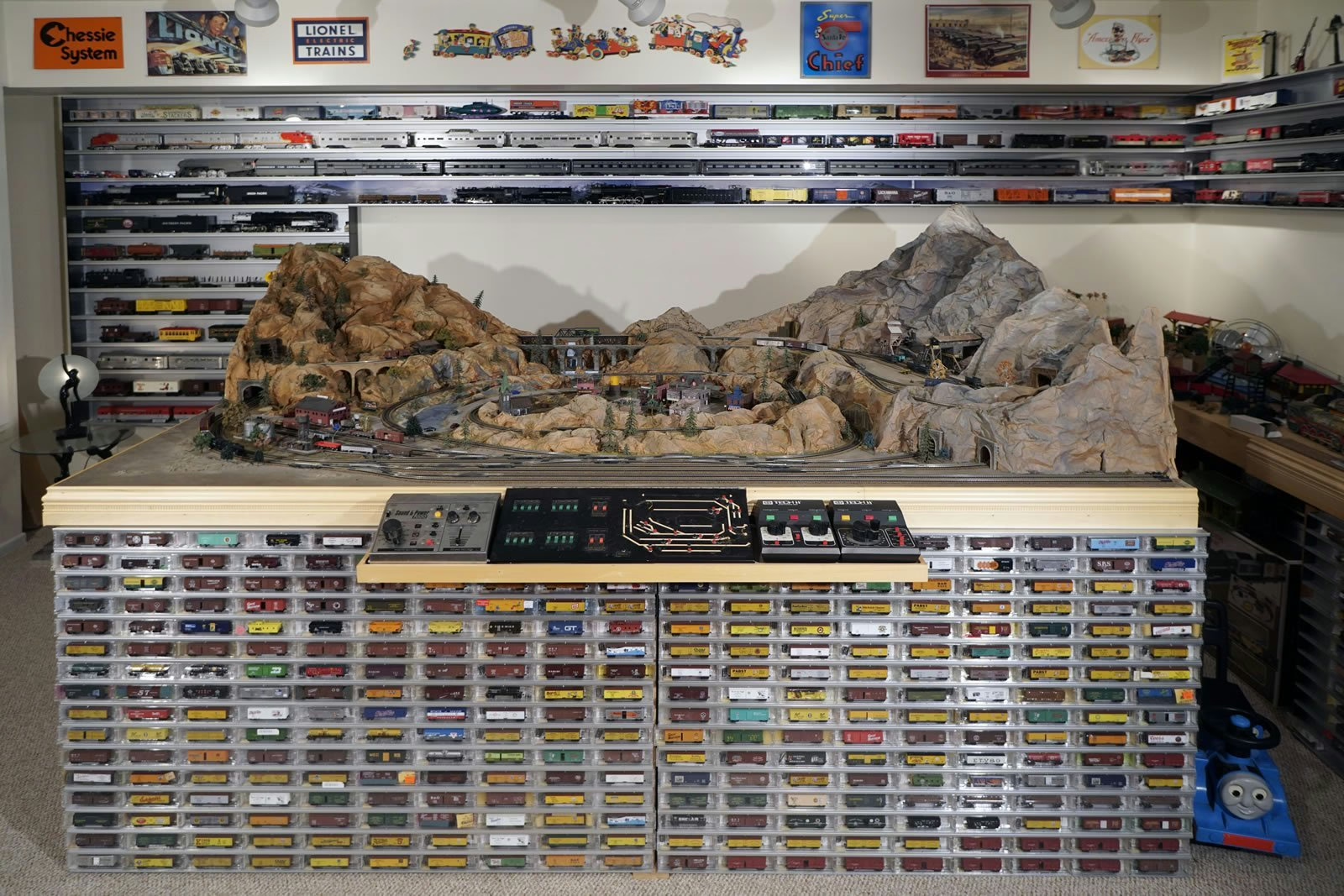
Storing model trains correctly is one of the most important parts of the hobby, especially as your collection grows in value. Locomotives and rolling stock are precision pieces containing delicate mechanical components, fine exterior detailing, and plastics and metals that react to temperature, humidity, pressure, and dust. Without proper storage, even high-quality HO or N-scale equipment will eventually show wear, corrosion, paint damage, or mechanical problems. The good news is that the right products make professional-grade protection easy and affordable.
Why Proper Storage Matters for Model Trains
Model trains are built with fine gears, lightweight metal parts, and fragile handrails that cannot tolerate constant shifting or vibration. When equipment is stored loosely in cardboard boxes or generic totes, the models rub together, bounce during movement, and gradually accumulate micro-scratches, bent details, and dirt. Dust alone can infiltrate gearboxes, thicken lubricant, and cause motors to run hotter than they should.
Proper storage requires physical stability, moisture control, chemical safety, and organization. That’s where specialized storage products make a dramatic difference.
Foam-Lined Storage Cases for Maximum Physical Protection
One of the most effective tools for long-term protection is a foam-lined hard storage case, such as the Feldherr HO Storage Box or similar hard protective cases available on Amazon. These systems use pre-cut dense foam that wraps around each locomotive or car, eliminating every form of movement. With the model locked into position, paint cannot rub, handrails cannot bend, and couplers cannot snag. This kind of system is especially valuable for brass locomotives, DCC-equipped engines, and limited-edition rolling stock.
Cases designed specifically for HO or N scale outperform generic storage by providing a form-fit environment that holds each model securely. The foam is typically acid-free, protecting paint and decals from long-term chemical damage. For collectors who transport trains to clubs, shows, or operating sessions, a foam-lined case is the single most important upgrade they can make.
Clear Rigid Storage Boxes for Large Fleet Organization
Rigid, clear plastic storage boxes are the next layer of a complete system. They are ideal for larger fleets and allow hobbyists to visually identify contents without opening every container. The consistent interior shape helps prevent overcrowding, and the rigid plastic keeps out dust and moderates moisture better than ordinary cardboard.
Paired with silica gel packs, like the ones made by Absorbking, help these boxes create a clean, controlled environment that protects rolling stock through seasonal humidity changes. Many collectors dedicate one box per category—steam locomotives, diesel locomotives, freight cars, passenger cars—so models can be retrieved with minimal handling.
The clarity of these boxes also makes it easy to use printed or color-coded labels, creating a professional, catalog-style storage system.
Archival Boxes for Vintage and High-Value Models
Vintage kits such as Athearn Blue Box, Tyco, Mantua, and early Bachmann releases can react poorly to acidic cardboard over the years. Decals yellow, plastic windows become cloudy, and adhesive residue can become sticky or brittle.
Acid-free archival storage boxes, such as the ones offered by Lineco, provide museum-grade protection by preventing chemical reactions between the packaging and the model. These boxes are ideal for long-term preservation and should be used for anything collectible, irreplaceable, or prone to chemical decay.
Combining an archival box with a foam insert yields the most stable, protective micro-environment hobbyists can create without building a full display cabinet.
Climate Monitoring: Essential for Preventing Hidden Damage
Temperature and humidity swings silently damage model trains more than most hobbyists realize. High humidity promotes corrosion on wheels, handrails, screws, and motor components. Excessive heat can warp plastic shells or soften adhesives. Very dry air can cause lubricants to thicken or degrade.
A digital temperature and humidity monitor, such as the compact AcuRite indoor unit available on Amazon, provides real-time readings and tracks daily highs and lows. Even a single inexpensive hygrometer offers the insight needed to move storage cases away from a damp basement wall or adjust climate settings before damage occurs. This is one of the lowest-cost, highest-impact tools any model railroader can own.
Shelving, Cabinets, and Display Cases for Dust-Free Storage
Once locomotives and rolling stock are safely housed in protective cases or boxes, the next consideration is shelving. Metal shelving, wooden bookcases, or cabinets with doors all help create a stable environment. A sealed cabinet provides excellent dust protection, dramatically extending the time between cleanings and reducing the amount of debris that enters gears and wheelsets.
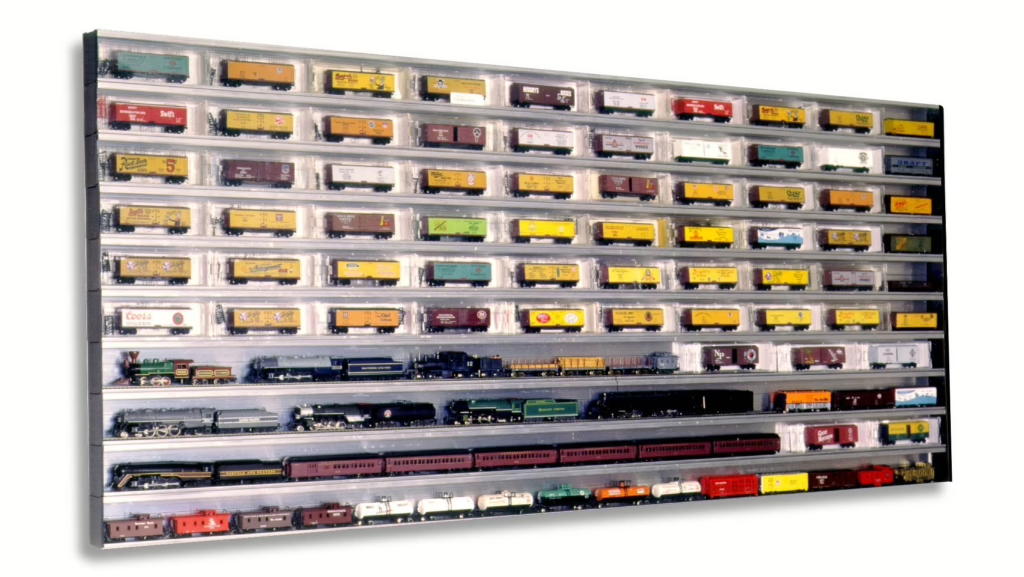
For collectors who like to display their trains, acrylic-door wall cases, like the one shown below from sfDisplay.com, keep models visible while preventing fingerprints, dust, and accidental bumps. These cases are especially attractive for showcasing steam locomotives, brass models, and detailed passenger equipment.
Building a Storage System That Grows With Your Collection
The strongest storage systems combine several approaches: foam-lined cases for your most valuable locomotives, clear rigid boxes for high-volume rolling stock, archival containers for vintage pieces, and a climate monitor to protect everything from environmental damage. This layered method keeps your models clean, stable, accessible, and safely organized for years.
Beginners moving into intermediate collecting often experience their first true “pro-level upgrade” when they switch to dedicated storage solutions. It reduces handling, prevents wear, and keeps the collection enjoyable rather than cumbersome. With the right tools in place, every locomotive taken out of the case years later will still look and run exactly the way you remember.
As an Amazon Associate, we may earn a commission from qualifying purchases made through links on this page.